Science fiction movies primarily featured robots twenty years ago. They looked like metal humans or strange machines. They spoke with robotic voices and walked stiffly. But today, robots are real and part of our daily lives. You can find them in factories, hospitals, and even inside our homes.
But have you ever thought, what will robots look like in 20 years?
Let’s explore how robots might change, what they may look like, and how they could live and work with us. We’ll look at shapes, materials, intelligence, and the role of robots in our future.
1. Robots Will Look More Human
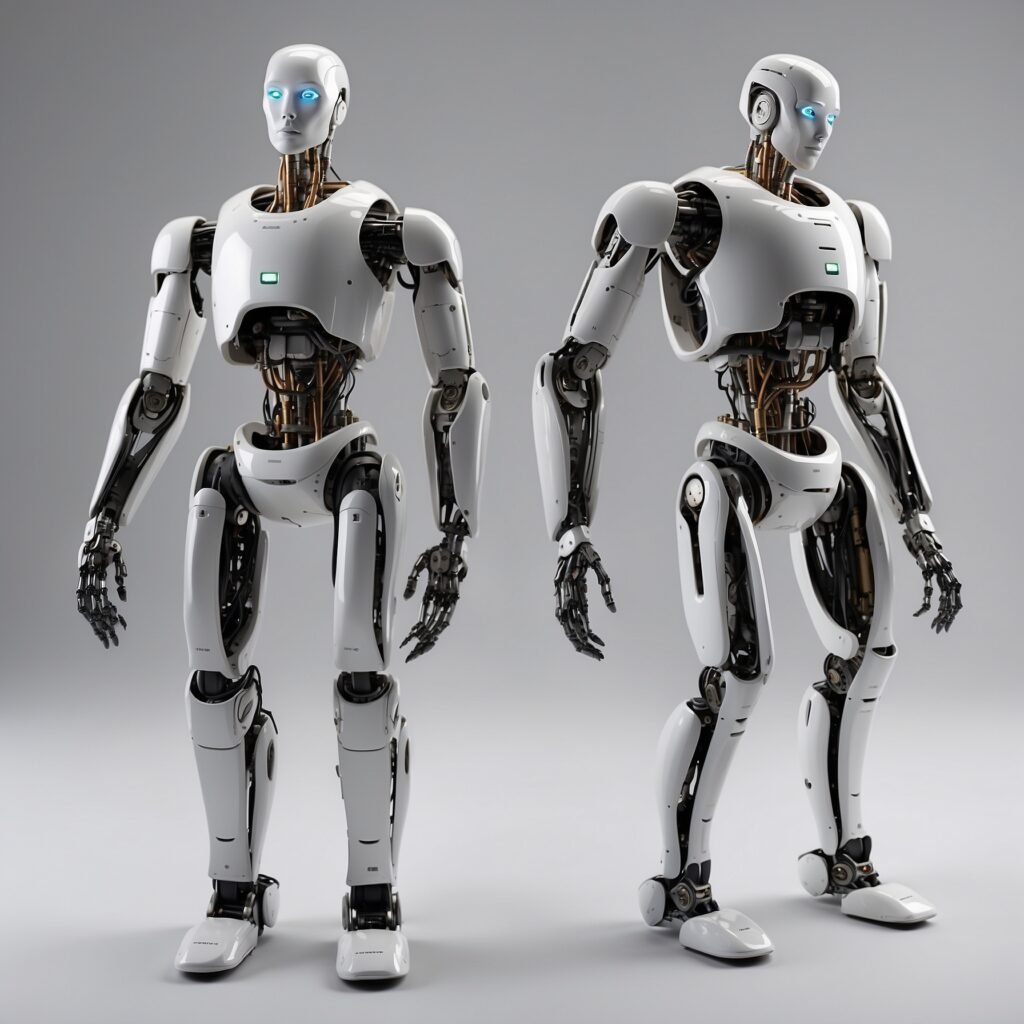
Right now, most robots still look like machines. They have arms, wheels, or tools. But in the future, many robots will look more like people.
This type of robot is called a humanoid . It has a head, face, arms, and legs. In the next 20 years, these robots will become more realistic. Their skin will be soft. Their eyes will blink. They will move smoothly, like humans do. You might not even know it’s a robot unless it tells you.
Why Make Robots Human-Like?
- It helps people feel more comfortable.
- Robots can work better with humans if they look and act like us.
- They can work in homes, hospitals, or schools and do tasks like teaching, helping elderly people, or speaking with customers.
2. Robots Will Have Different Shapes for Different Jobs
Not all future robots will look human. Some will be designed for special work and have unique shapes.
Animal-Like Robots
- Robots shaped like dogs will be utilized for search and rescue missions.
- Robots in the shape of snakes are designed to navigate through pipes or narrow areas.
- Fish robots are designed to explore the ocean.
Tiny Robots
These are tiny robots, maybe even as small as a grain of rice. They might work inside the human body, fixing problems from within. These are called nanobots.
Flying Robots
Think of drones, but smarter. They can deliver packages, monitor traffic, or even save lives in emergencies.
Therefore, robots will have different appearances based on their functions. Their shape will match their job.
3. Robots Will Be Smarter
Today’s robots can clean your house or help in a factory. But they can’t understand feelings or solve big problems like humans do. In 20 years, robots will become much smarter thanks to AI (Artificial Intelligence).
What Will Smart Robots Do?
- Understand your voice and language
- Read emotion from your face.
- Learn from experience (just like humans)
- Make decisions without help
For example, a future robot could help take care of a sick person. It can check their health, give them medicine, and talk to them if they feel lonely.
This is where the future of robotics is going—not just machines, but thinking partners.
4. Robots Will Feel Soft and Safe
Today, many robots are made of metal. They can be hard and heavy. In the future, robots will be made with soft, flexible materials. This field is called soft robotics.
Why Is Such Technology Important?
- Safety: A soft robot won’t hurt you if it bumps into you.
- Touch: A soft robot hand can hold things gently, like an egg or a baby’s hand.
- Comfort: People are more likely to accept soft robots in homes, schools, and public places.
This is crucial for robots that work with people, such as nurses, caregivers, or teachers.
5. Robots Will Learn Like Children
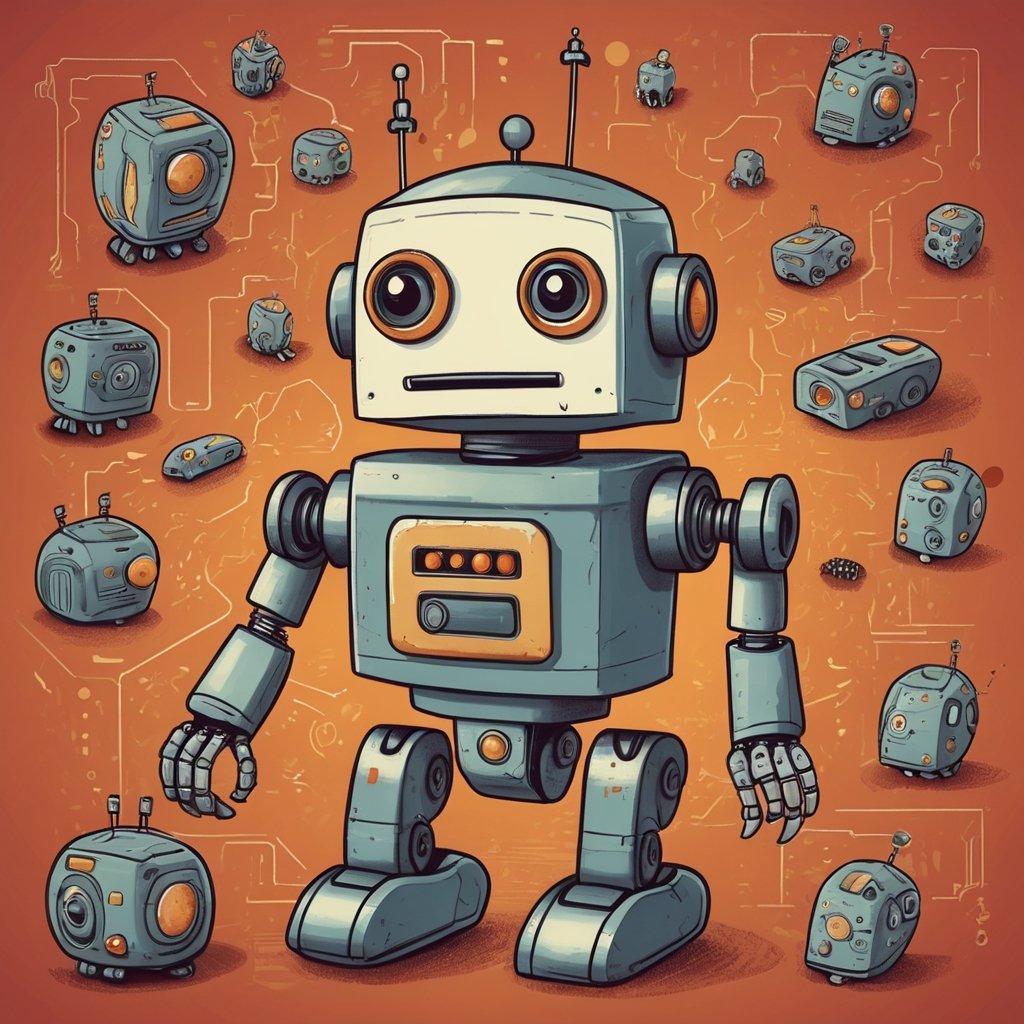
Right now, we program robots with fixed instructions. But in 20 years, robots will learn by watching, listening, and trying, just like children do.
This kind of learning is called machine learning. The robot can make mistakes and improve over time.
For example, a robot chef might learn your favorite recipe just by watching you cook once. Next time, it can cook it perfectly for you.
This type of robot intelligence will be a big part of the future of robotics.
6. Robots Will Be Everywhere
In the future, you won’t just find robots in factories. You’ll find them:
- In Homes: Cleaning, cooking, helping elderly people.
- In Hospitals: helping doctors, lifting patients, monitoring health.
- In Schools: Helping children learn languages, math, or science.
- In Offices: Managing emails, scheduling meetings, or assisting clients.
- In Shops: Taking orders, delivering products, or even greeting customers.
Even small businesses may use robots to do routine work, saving time and money.
7. Robots Will Work With Humans, Not Replace Them
Some people worry that robots will take away jobs. It’s true that some repetitive or dangerous jobs might go to robots. But at the same time, robots will create new jobs.
In the next 20 years:
- Robots will become our helpers, not our enemies.
- Humans will train and supervise robots.
- New roles will be created—robot designers, robot teachers, and robot mechanics.
The future is about working together—human and machine, side by side.
8. Robots Will Have Better Batteries and Energy Use
One big problem today is that robots need a lot of power. Many robots can only operate for a few hours before requiring a recharge.
But in the future:
- New battery technology will allow robots to work longer.
- Some robots might even use solar power or charge wirelessly.
- Energy-efficient robots will help protect the planet.
This is crucial for outdoor robots, delivery drones, and robots in remote areas.
9. Robots Will Be Connected
Robots in the future will not work alone. They will be connected to the internet and to each other.
This form of connectivity is called the Internet of Things (IoT).
Imagine this:
- Your home robot tells your car robot to start and warm up the engine.
- Your office robot reminds you of your meetings before you even arrive.
- Your fridge robot tells the grocery delivery robot what food you need.
Robots will be part of a connected world, making life easier and more organized.
10. Will Robots Have Feelings?
This is a big question. In 20 years, robots might not have real feelings like humans. But they will understand human emotions and act accordingly.
For example:
- If you are sad, your robot can speak gently or play music to make you feel better.
- If you are happy, it can be celebrated with you.
Robots will not have feelings, but they will behave in a friendly and emotional manner. This will make human-robot relationships stronger.
Conclusion: The Future of Robotics Is Closer Than You Think
The future of robotics is not 100 years away. It’s already starting. In just 20 years, robots will be:
- Smarter
- Softer
- More human-like
- More helpful
- Part of everyday life
They will not only clean our floors or deliver our packages. They will work with us, care for us, and learn from us. The robots of the future will be more than machines. They will be companions, helpers, and partners in life and work.
As technology grows fast, now is the time to learn, prepare, and even be excited. Robotics will shape your future as well.
The idea of robots looking more human is fascinating. It makes sense that they’ll be able to integrate better into everyday life if they have a more familiar appearance. I’m curious if they’ll also be able to pick up on emotional cues the way humans do.
Comments are closed.