Introduction
In 15 years, the world could be completely different. We already live with AI in our pockets—our phones talk to us, apps guess what we want, and even our cars are starting to drive themselves. But that’s just the start.
What’s really coming next? What will artificial intelligence look like by 2040?
This article doesn’t use complex tech terms. Instead, let’s talk plainly—like two friends sitting at a tea shop—about what AI might do in our homes, jobs, schools, and lives in the next 15 years.
Today’s AI: Just the Beginning
Right now, AI can do some pretty clever things:
- Help us type messages faster
- Suggest what you watch next.
- Answer simple questions
- Detect faces in photos
- Talk like humans in chat apps
But all of this is just “basic AI.” It only works because someone taught it exactly what to do.
The future promises something deeper—smarter, more natural AI that learns on its own and helps us in new ways.
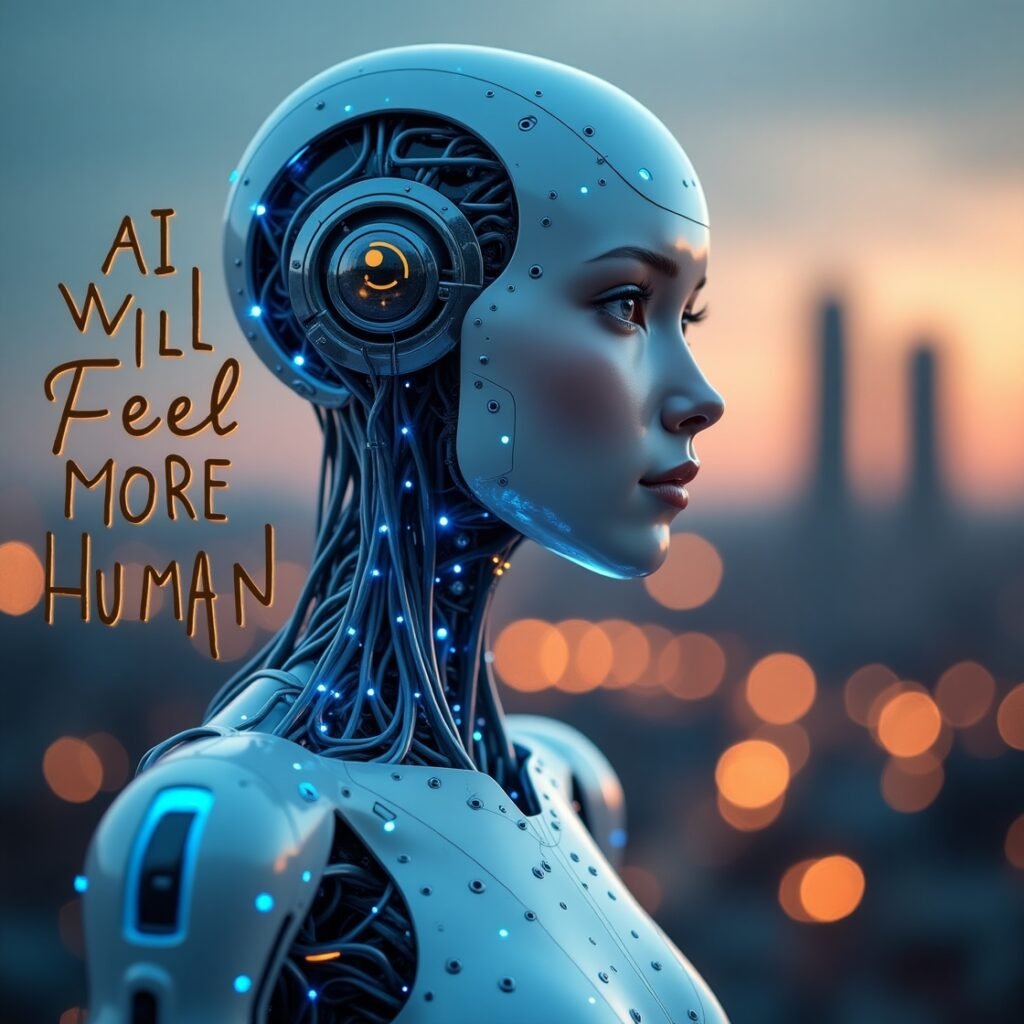
1. AI Will Feel More Human
In 15 years, AI might not just hear our words—it could sense our emotions too.
Imagine:
- A smart assistant that notices your mood and plays the song you love most.
- A smart fridge that offers comfort food ideas when your day has been tough.
- A digital friend who chats when you feel lonely
No, AI won’t become a real person. But it could feel a little more “human”—enough to be helpful in emotional ways.
2. Jobs Will Change—But People Won’t Be Useless
Let’s face it: many people are scared that AI will “take their jobs.” And yes, some tasks will go away—especially routine, boring ones.
But new opportunities will come too.
Jobs like these will likely grow:
- People who train AI systems
- Healthcare workers using AI tools
- Teachers working with AI-powered classrooms
- Small business owners are using AI to market their products and grow their businesses more quickly.
AI won’t replace everyone. But it will change how we work. People who learn how to use it will stay ahead.
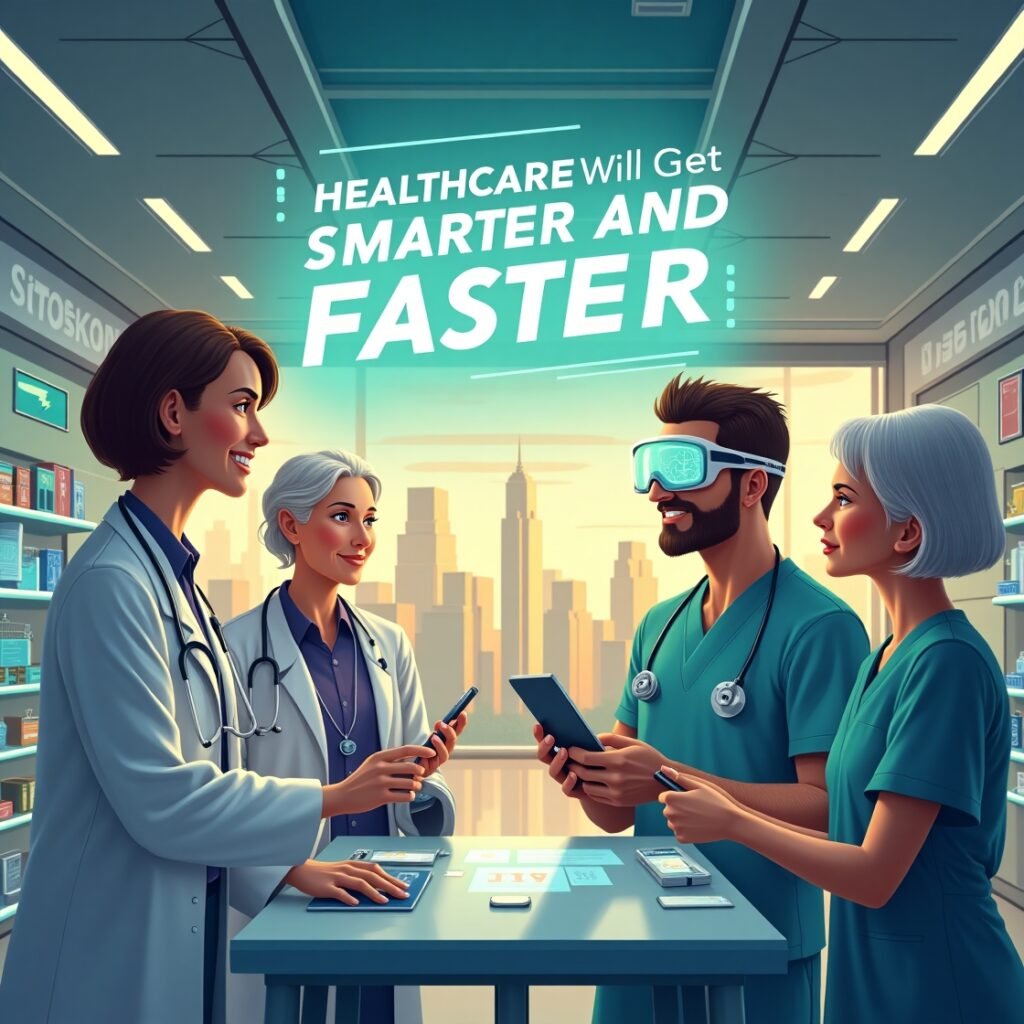
3. Healthcare Will Get Smarter and Faster
AI’s impact on healthcare could be transformative in the coming years.
By 2040:
- Smartwatches and fitness trackers could spot signs of illness before you feel sick.
- Diagnostic systems could assist doctors in identifying conditions like cancer at much earlier stages.
- Doctors may use your health records to build a treatment plan made just for you.
These advancements won’t remove the need for doctors—but they’ll enhance decision-making, improve accuracy, and speed up care.
4. The Way We Learn Is About to Change
Right now, in most classrooms, every student learns the same thing in the same way. But what if a computer could understand how you learn best—and adjust the lesson just for you?
In the future, AI could:
- Offer lessons based on your learning speed
- Give quiet students a safe space to ask questions.
- Translate languages in real time for students from different backgrounds
It could allow more kids, particularly those in remote or poor regions, to study at their own pace and improve faster.

5. Smarter Homes, Easier Living
Fifteen years from now, you may wake up and say,
“Hey, what’s for breakfast?”
And your kitchen replies:
“Omelette with spinach. You’ve been low on iron this week.”
Sounds crazy? Maybe. But smart homes powered by AI are already happening—just not fully.
Expect to see:
- Smart lights, fans, and doors that react to your presence.
- Home robots that help elderly people
- Fridges that track your food and order groceries
And yes—probably a vacuum that finally understands your dog is not dirt.
6. Travel Will Be Safer (and Smoother)
We already hear about self-driving cars. But over the next 15 years, AI could make transport smoother for everyone.
Think:
- AI-controlled traffic lights that reduce road jams
- Buses or taxis that drive themselves
- Safer roads with fewer accidents
Even if human drivers don’t go away, AI will still assist—like alerting sleepy drivers or warning about danger before it happens.
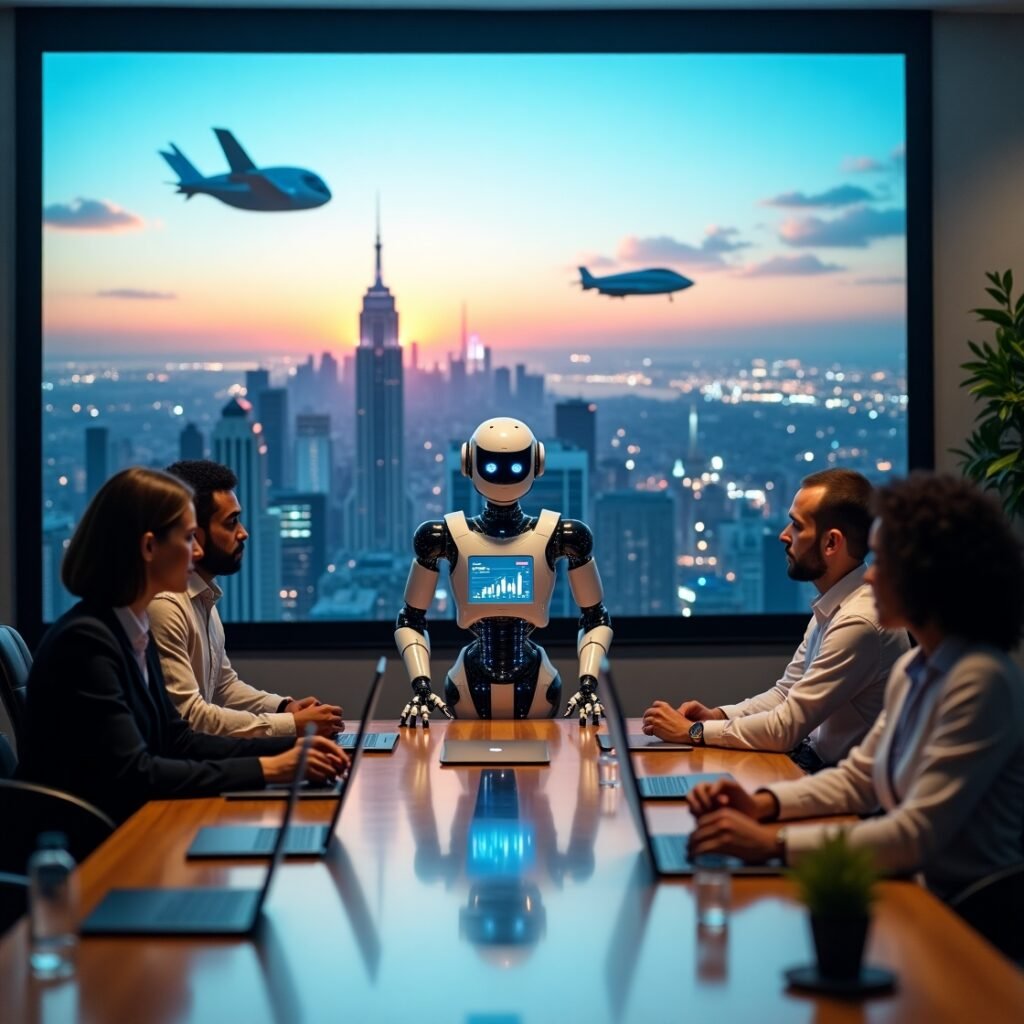
7. AI in Business: A Big Helping Hand
Businesses—big and small—will depend more on AI.
In the future:
- Shops might use AI to predict what customers want.
- Restaurants may manage food waste better with AI.
- Online stores will use smart systems to set prices and send offers.
- Small businesses will create ads, social posts, and product names—just by typing a few words.
People won’t need to be marketing experts. They just bring the ideas, and AI does the rest.
8. Creativity Will Still Be Human (With AI’s Help)
Can AI write poems, make paintings, or compose music?
It already does.
But by 2040, AI may become a creative partner. It could:
- Help writers generate ideas for their stories.
- Assist musicians in producing beats
- Let designers test colours and layouts in real time.
But it won’t replace human taste, emotion, and imagination. Creativity will still need people behind the ideas.
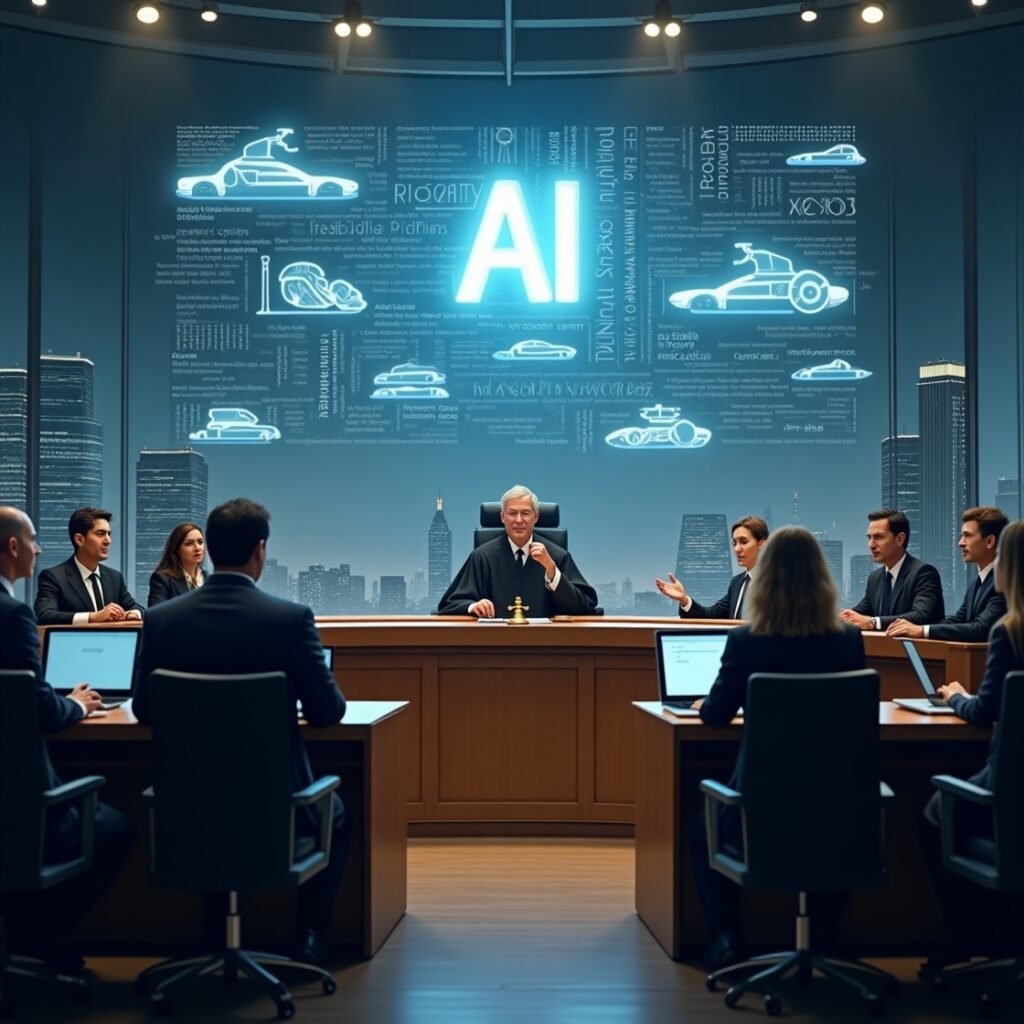
9. AI Laws and Ethics Will Matter More Than Ever
As AI becomes more powerful, we’ll need stronger rules.
Questions we must ask:
- Who takes the blame when AI gets it wrong
- How do we stop AI from being biased?
- How do we protect our data and privacy?
Governments and companies will need to work together to create clear laws that protect people—without stopping innovation.
10. General AI? Still a Big Question
Today’s AI is “narrow”—it ”does one job at a time. But some experts dream of general AI: a system that learns, reasons, and solves many types of problems—like a human.
Will we see general AI in 15 years? Maybe.
Some say yes. Others believe it’s still far away.
For now, we’ll likely see smarter versions of what we already have—AI that’s more helpful, more natural, and more present in our daily lives.
Final Thoughts
So, what does the future of artificial intelligence look like?
Here’s a simple answer:
It will be more helpful, more present, and more personal.
It won’t just live in phones or apps. It will live in our homes, our jobs, and our conversations. If used wisely, AI can make life easier, healthier, and more connected.
But we’ll need to guide it—with wisdom, responsibility, and care.
The future isn’t solely determined by the development of AI. It’s also about how we choose to use it.
I think one of the most exciting aspects of AI in the future will be its ability to adapt and learn on its own. It’ll be interesting to see how much more personalized our interactions will get.
Comments are closed.