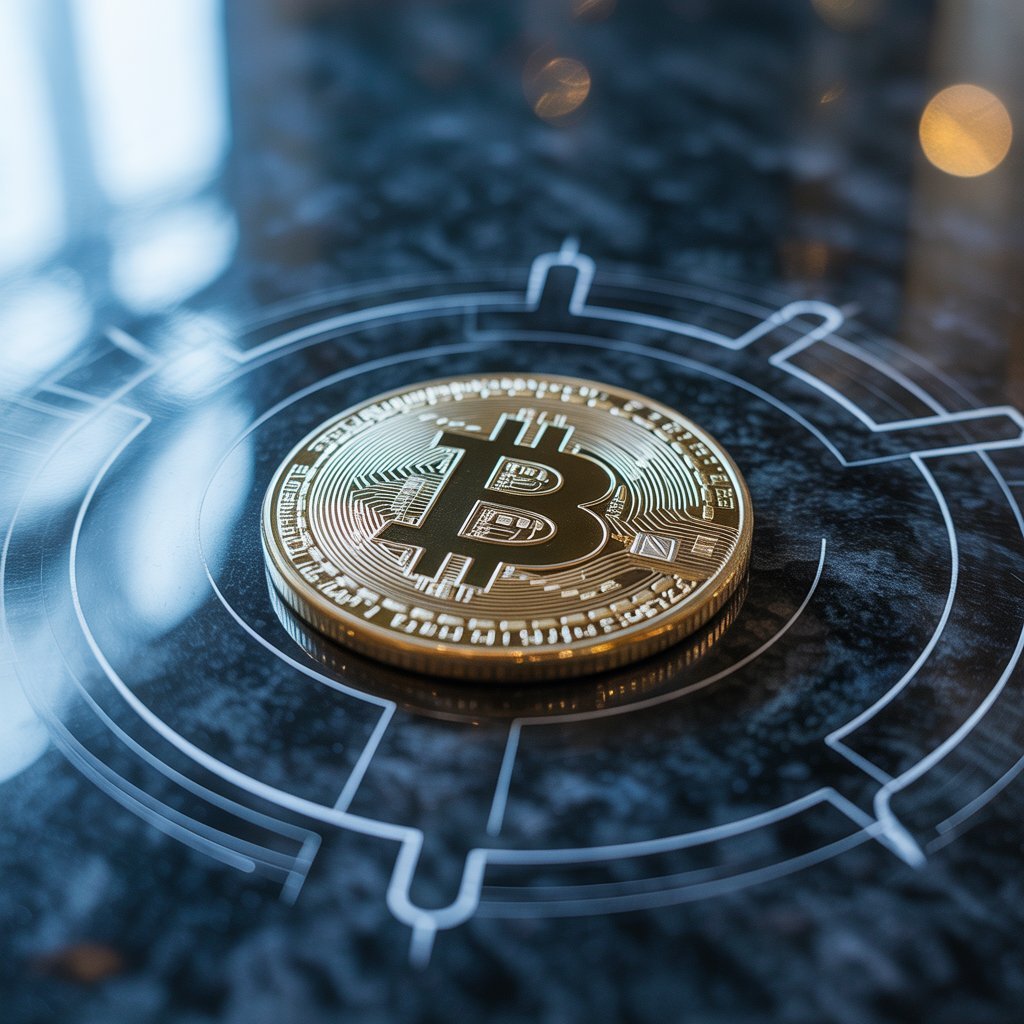
So… What’s This Thing Called Bitcoin?
A few years ago, you might have scoffed at the idea of online money without a bank involved.
But here we are.
Today, people are buying, trading, saving, and sending a kind of money called Bitcoin. You can’t hold it in your hand, but it’s real. And its story? Pretty wild.
So let’s keep things simple. No big tech words. No confusing math. Just the real story of how Bitcoin started, how it grew, and why people still care about it.
2008–2009: How Bitcoin Began
In 2008, during a global financial crisis, someone using the name Satoshi Nakamoto shared an idea online.
It was a simple document that asked:
What if we could send money without using a bank?
This idea became Bitcoin.
A few months later, in January 2009, the first Bitcoin was created. No big launch. No press. Just a quiet beginning that would later change everything. called Satoshi Nakamoto.
Nobody knew who he was. He never showed his face.
In the paper, he explained a new kind of money—one that people could send directly to each other, with no bank, no middleman.
That idea became Bitcoin.
Then, on January 3, 2009, the first Bitcoin was created. A digital coin, mined by a computer. Just like that—it was born.
But guess what?
Back then, 1 bitcoin wasn’t even worth 1 rupee. It was just… there.
2010: A Guy Bought Pizza With Bitcoin
Fast-forward to May 2010.
A man in the U.S. named Laszlo wanted pizza. So he offered 10,000 bitcoins to anyone who’d send him two pizzas.
One guy accepted. Laszlo got his pizza. And that was the first real thing ever bought with Bitcoin.
Today, those 10,000 bitcoins would be worth millions of dollars.
But hey—pizza is pizza.
2011–2013: From Geek Toy to Real Money
At first, only computer nerds cared about Bitcoin. They mined it on laptops and shared tips in forums.
But then, Bitcoin hit $1.
People started noticing.
Soon, websites popped up where you could buy or sell Bitcoin with real money. By 2013, it reached $1,000.
People who bought early were suddenly rich.
But this also meant trouble was coming…
2014: The First Big Disaster
In 2014, a major Bitcoin exchange called Mt. Gox got hacked.
More than 850,000 bitcoins vanished.
People panicked. Many lost money. Bitcoin’s price crashed.
News channels said, “It’s over. Bitcoin is dead.”
But it wasn’t.
The developers didn’t quit. People kept believing. Bitcoin survived.
2015–2016: Slowly Growing Again
Things were quiet for a while.
No big price jumps. No hype.
But behind the scenes, people were building. Apps got better. Wallets became easier to use. Bitcoin was getting stronger.
Smart people stayed in. They knew this was just the beginning.
2017: The Boom
In 2017, Bitcoin woke up.
Its price started going up. Then it went higher. Then even higher.
By the end of the year, it was worth nearly $20,000.
Everyone wanted in. Friends, family, coworkers, and even your barber likely mentioned it.
But just like before, the bubble popped.
2018–2019: The Crash and the Chill
The price crashed again. People lost money. Many walked away.
They called it a scam. A bubble. A mistake.
But guess what? Bitcoin didn’t go away.
It kept running, block after block, just like it was designed to.
2020–2021: Bitcoin Gets Serious
Then came COVID-19.
To deal with the crisis, governments began printing more money. But this made everything more expensive—like food, fuel, and rent.
People got worried. Their money was losing value. They wanted to protect their savings.
And Bitcoin? It looked like a good option.
Big companies like Tesla and Square started buying it.
By 2021, Bitcoin reached over $60,000.
No one was laughing anymore.
2022: Another Crash
Crypto went mainstream—and then, again, trouble hit.
Big companies like FTX went bankrupt. Millions were lost. People felt cheated.
Bitcoin dropped back to under $20,000.
But again… it didn’t die.
2023–2025: Where Things Stand Now
Today, Bitcoin is not just something you hear about once in a while.
It’s being used.
- Some shops accept it.
- Some countries use it as real currency.
- People send it across borders—fast and cheap.
- You can even find Bitcoin ATMs in some places.
And now, with AI and digital tools growing fast, Bitcoin is finding new roles in smart systems and decentralised tech.
It’s becoming part of the future—quietly, steadily.
So… What Makes Bitcoin Special?
Let’s be real: Bitcoin has problems. It’s not perfect. But it does a few things really well:
- No one controls it. Not a bank. Not a government.
- Only 21 million will ever exist. So it’s limited—like gold.
- It works 24/7. No holidays. No office hours.
- You can send it across the world in minutes.
For people in countries with broken banking systems, Bitcoin is a lifeline. For investors, Bitcoin is a way to protect their money from rising prices.
And for others, it’s just hope—hope that money can be fair and better for everyone.
That moment when someone bought pizza with Bitcoin in 2010 is a great reminder of how far Bitcoin has come. From a novelty to being part of mainstream conversations today—what a journey!
Comments are closed.